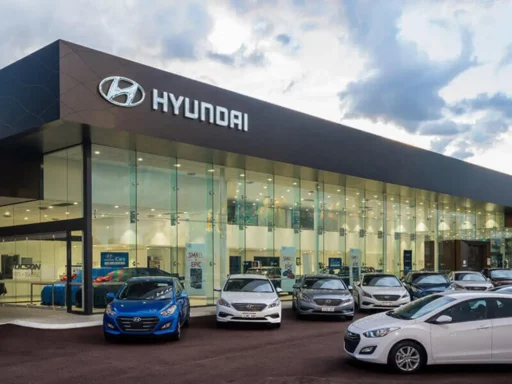
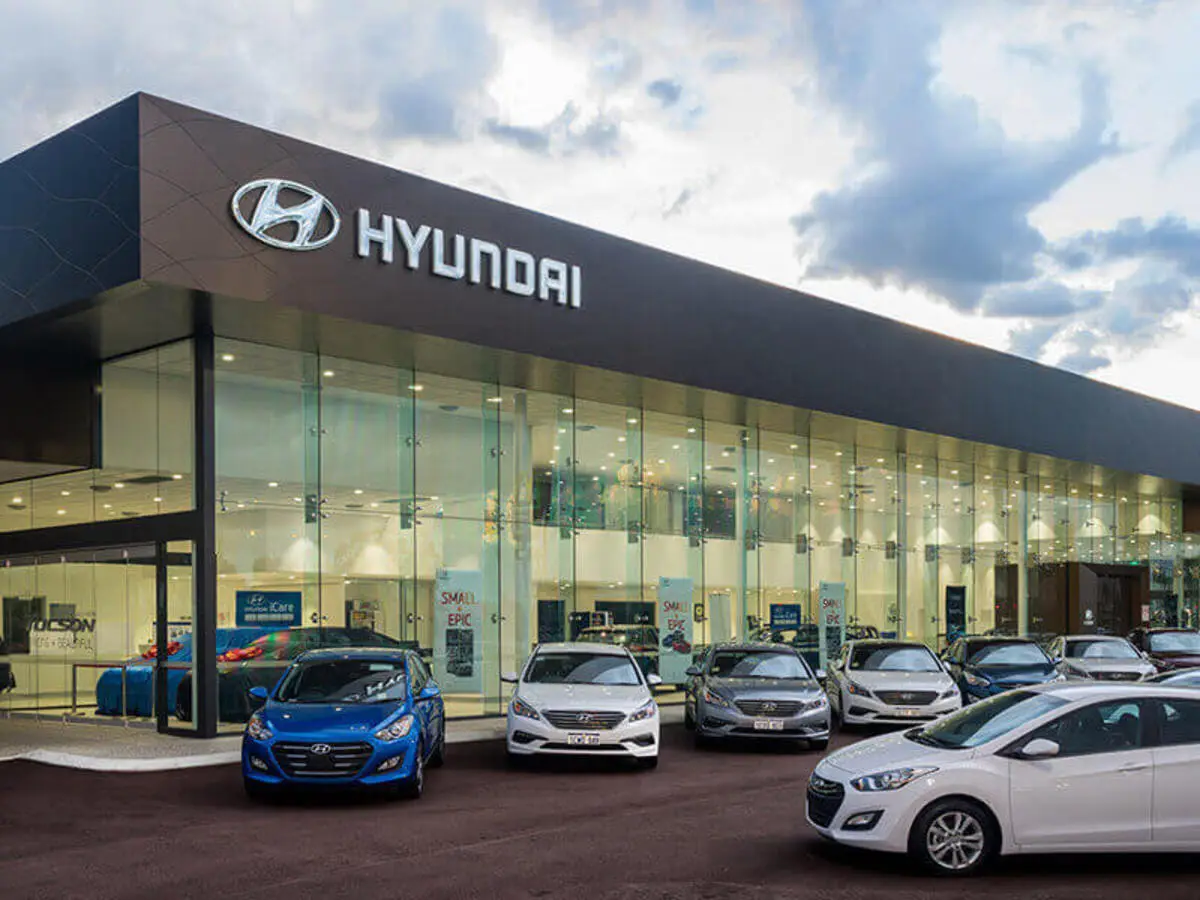

Hyundai Motor Company, headquartered in Seoul, South Korea, is the world’s third-largest automaker by global sales and operates across more than 200 countries under the Hyundai, Kia, and Genesis brands. Its sustainability vision, Progress for Humanity, is structured around the goal of carbon neutrality by 2045 and is organized across three core pillars: Environment, Social, and Governance. The 2025 Sustainability Report, titled Road to Sustainability and published in July 2025, is the primary disclosure document, covering FY2024 performance data alongside 2035 and 2045 climate targets. Hyundai holds SBTi-aligned targets for both Scope 1+2 and Scope 3 use-of-sold-products emissions, scored a CDP Climate Leadership A in 2023 and a CDP Water Security A- in the same year, and ranked 11th out of 13 global EV manufacturers in Amnesty International’s 2024 human rights due diligence assessment, highlighting a specific supply chain transparency gap.
Sources
https://www.hyundai.com/worldwide/en/company/sustainability/sustainability-report
https://www.hyundai.news/eu/articles/press-releases/2025-sustainability-report.html
https://www.hyundai.com/content/dam/hyundai/ww/en/images/company/sustainability/about-sustainability/2025/hmc-2025-sustainability-report-en.pdf
https://ditchcarbon.com/organizations/hyundai-motor
Sustainability Strategy and Goals
Hyundai Motor Group’s sustainability framework is governed by the HMG ESG Index, a group-wide management index introduced in 2023 across three directional pillars: Move for Our Planet, People, and Community. The strategy maps to UN SDGs including SDG 7 (Clean Energy), SDG 9 (Industry, Innovation and Infrastructure), SDG 12 (Responsible Consumption and Production), SDG 13 (Climate Action), and SDG 17 (Partnerships for the Goals). The 2025 report prioritises three forward-looking agendas: electrification at scale, lifecycle carbon management through the Integrated Greenhouse Gas Information System (IGIS), and responsible mineral sourcing expansion to approximately 20 key materials covering EV battery inputs.
Net Zero and Carbon Emissions
Hyundai targets carbon neutrality by 2045 across all products and operations, with SBTi-aligned near-term and medium-term milestones. The near-term SBTi-aligned target is a 42% absolute reduction in Scope 1+2 emissions by 2030 vs. a 2024 base year. The medium-term target is a 60% absolute reduction in Scope 1+2 by 2035 vs. 2023, alongside a 63% reduction in Scope 3 use-of-sold-products emissions by 2035 vs. 2024. In 2024, Hyundai reported total GHG emissions of 149,659,805 tCO2e across all scopes, a 0.66% decrease from 2023.
- Net-zero target: 2045 (all global products and operations)
- SBTi-aligned Scope 1+2 target: 42% absolute reduction by 2030 vs. 2024 base year
- Medium-term Scope 1+2 target: 60% absolute reduction by 2035 vs. 2023 base year
- Medium-term Scope 3 target: 63% absolute reduction in use-of-sold-products by 2035 vs. 2024 base year
- Scope 1 GHG emissions (2024): 679,822 tCO2e
- Scope 2 GHG emissions (2024): 1,417,987 tCO2e (market-based)
- Total Scope 1+2 GHG emissions (2024): 2,406,651 tCO2e, down 4.8% vs. 2023
- Scope 3 GHG emissions (2024): 147,253,154 tCO2e, representing 98.4% of total footprint
- Total GHG footprint (2024): 149,659,805 tCO2e, down 0.66% vs. 2023
- Use of sold products: approximately 76% of total company GHG emissions
- Environmental investment executed in 2024: KRW 971.6 billion out of KRW 1,279.5 billion allocated
Water Stewardship
Hyundai scored CDP Water Security A- in 2023, indicating a leadership-level approach to water governance. The company implements Zero Liquid Discharge (ZLD) systems and rainwater harvesting across manufacturing sites in high-risk water-stressed regions, particularly in India. Water recycling volume increased 15.2% in 2023 vs. 2022, and Hyundai recycled a total of 2,631,445 tonnes of water in 2023, achieving a recycling rate of 23.8%. Hyundai Motor India Limited (HMIL) met 80% of its water requirements at its Chennai facility through rainwater harvesting and internal sources in FY2024-25.
- CDP Water Security score: A- (Leadership grade, 2023)
- Water recycling volume: 2,631,445 tonnes (2023), recycling rate 23.8%
- Water reuse increase: 15.2% compared to 2022
- Zero Liquid Discharge systems: deployed at manufacturing facilities in high water-risk areas, including Chennai, India
- HMIL Chennai: 80% of water requirements met through rainwater harvesting and internal sources (FY2024-25)
- Water management data used as a steering-relevant KPI in ESG risk assessments at facility level
Regenerative Agriculture
Hyundai does not operate in the agricultural sector, but its bio-based materials programme connects vehicle manufacturing to agricultural supply chains. Hyundai’s 2025 Sustainability Report documents the use of bio-based materials derived from natural fibres, seashells, and other biological sources to reduce virgin plastic use in vehicle interiors and exteriors. The company’s responsible sourcing policy covers raw materials from agricultural and natural ecosystems and is governed under the HMG Supplier Code of Conduct.
- Bio-based materials in vehicles: natural fibres, seashells, and biological derivatives used to substitute virgin plastics in chassis, body, electrification, and interior components
- Car-to-Car Project: uses materials recycled from end-of-life vehicles in new car production, reducing demand for virgin agricultural and petrochemical inputs
- Responsible minerals policy: extended in 2025 to cover approximately 20 key materials, including battery inputs with land-use and ecosystem risk profiles
Deforestation and Biodiversity
Hyundai addresses deforestation and biodiversity primarily through its responsible minerals sourcing policy and supplier code of conduct. The company is a member of the Responsible Minerals Initiative (RMI), which applies third-party audit standards to mining operations covering conflict minerals and EV battery materials including cobalt, lithium, nickel, and graphite. In 2025, Hyundai expanded its mineral tracking programme to approximately 20 key materials from the prior 3TG (tin, tantalum, tungsten, gold) focus, reflecting regulatory pressure from the U.S. Uyghur Forced Labor Prevention Act and the EU Battery Regulation.
- Responsible Minerals Initiative (RMI): member since 2022; third-party audit standards applied to conflict minerals and EV battery materials
- Mineral tracking expansion (2025): programme extended from 3TG conflict minerals to approximately 20 key materials including cobalt, lithium, nickel, and graphite
- EU Battery Regulation: Hyundai’s mineral due diligence aligned with EUBR requirements as of 2025
- Biodiversity risk: no formal net positive or no-net-loss target identified in public 2024 or 2025 disclosures; addressed through supplier code and RMI membership
Packaging and Circular Economy
Hyundai’s circular economy programme is driven by two flagship initiatives: the Car-to-Car Project, which incorporates materials recycled from end-of-life vehicles into new car production, and the Life Cycle Assessment (LCA) system, which tracks material flows and carbon footprint from raw material extraction through manufacturing and end-of-life recovery. In 2024, Hyundai recovered approximately 200,000 tonnes of resources from end-of-life vehicles in Korea through a one-stop dismantling and recycling service, a significant volume that feeds directly into the Car-to-Car supply chain. The LCA rate for all vehicles sold reached 40.9%, indicating that 40.9% of materials by weight have been assessed across their full lifecycle.
- Car-to-Car Project: end-of-life vehicle materials recycled and incorporated into new vehicle production
- End-of-life vehicle resources recovered in Korea (2024): approximately 200,000 tonnes through one-stop pick-up, dismantling, and recycling service
- LCA rate for all vehicles sold: 40.9%
- Recycled and bio-based materials: company-wide agenda to increase recycled plastics in chassis, body, electrification, and interior and exterior components
- Kia and Ocean Cleanup partnership: marine plastic waste reprocessed into new vehicle accessories for the EV3 model
- IGIS blockchain platform: monitors carbon emissions at each lifecycle stage from supplier component to end-of-life vehicle, with tamper-proof data integrity
Human Rights and Responsible Sourcing
Hyundai’s human rights framework is governed by its Supplier Code of Conduct, the Hyundai/Kia Responsible Minerals Sourcing Policy, and the RMI membership. The policy requires suppliers to implement screening procedures ensuring that individuals or units known to have committed gross human rights abuses are not hired, and reserves the right to suspend or terminate supplier relationships linked to forced labour or child labour. Amnesty International’s 2024 human rights ranking placed Hyundai 11th out of 13 global EV makers on due diligence disclosure, specifically citing gaps in public supply chain mapping.
- Amnesty International 2024 human rights ranking: Hyundai ranked 11th out of 13 global EV manufacturers on due diligence disclosure
- Responsible minerals expansion 2025: approximately 20 materials tracked, including cobalt, lithium, nickel, graphite, and copper, following Amnesty report and UFLPA/EU regulatory pressure
- RMI membership: active since 2022; conflict minerals report published annually
- Supplier relationship termination right: explicitly reserved where forced labour or child labour links are identified
- ESG diagnosis and due diligence conducted at supplier business sites; updated Fair Trade Compliance Guide issued
Nutrition and Health
As an automotive manufacturer, Hyundai does not operate in the nutrition sector. Its health commitments cover occupational health and safety across manufacturing facilities globally, with ergonomics, chemical exposure, and emergency response managed under a unified Hyundai Motor Group safety management system. Employee safety performance metrics are disclosed annually in the Sustainability Report and form part of the Social pillar of the HMG ESG Index.
Community and Social Impact
Hyundai’s social programmes are organized under the Progress for Humanity vision, covering mobility for underserved communities, STEM and youth education, and local community development adjacent to manufacturing sites. In India, Hyundai Motor India Limited (HMIL) spent INR 1,143 million on CSR activities in FY2024-25, positively impacting more than 2 million individuals through community initiatives that reduced CO2 emissions by 21,811 tonnes and generated approximately INR 404 million in community income.
- HMIL India CSR spend FY2024-25: INR 1,143 million, positively impacting 2+ million individuals
- Community income generated through social programmes: approximately INR 404 million in FY2024-25
- CO2 emissions reduced through community initiatives in India: 21,811 tonnes
- HMG ESG Index extended to overseas sector KPIs in 2024, covering GHG emissions, renewable energy use, and electrification sales for the first time
Governance and Transparency
Hyundai’s 2025 Sustainability Report explicitly addresses board independence and diversity improvements, with the company strengthening the independence of its board-level committees. ESG KPIs are embedded in corporate performance assessments at the group level through the HMG ESG Index, and the Group manages sustainability data across all affiliates using a common governance framework. CDP disclosures cover both Climate and Water Security, and Hyundai issues an annual conflict minerals report in compliance with SEC requirements.
- HMG ESG Index: group-wide management KPI system applied to all HMG affiliates from 2023; covers GHG emissions, renewable energy, electrification sales, and more
- CDP Climate: Leadership A (2023)
- CDP Water Security: Leadership A- (2023)
- Annual conflict minerals report: filed since 2022, aligned with SEC requirements; expanded to 20 key materials in 2025
- Board independence and diversity: explicitly strengthened in the 2025 reporting cycle
Technology and Innovation
Hyundai’s technology investments are anchored by four programmes: the IGIS blockchain carbon lifecycle management platform, the Car-to-Car circular materials loop, the HTWO hydrogen fuel cell ecosystem, and large-scale renewable energy PPAs. These are complemented by Korea’s largest ever corporate PPA (444MW) signed in 2024, additional PPAs in the U.S. (147MW) and India (118MW), and the IONIQ BEV platform that underpins Hyundai’s electrification volume strategy.
- IGIS: blockchain-enabled platform monitoring carbon across the entire vehicle lifecycle from raw material to end-of-life; launched December 2024
- Korea PPA 2024: 444MW, Korea’s largest-ever corporate PPA, supplying 610 GWh renewable energy to Ulsan, Asan, Jeonju, and Namyang R&D Center over 20 years
- U.S. PPA 2024: 147MW additional renewable energy capacity
- India PPA 2024: 118MW additional renewable energy capacity; HMIL targeting RE100 by end of 2025 (88% achieved in FY2024-25)
- Global renewable energy consumption: 30% increase in 2024 vs. 2023
- HTWO hydrogen fuel cell brand: spanning hydrogen production, distribution, and application across automotive, commercial vehicles, maritime, and port operations
- IONIQ EV platform: IONIQ 5, IONIQ 6, and IONIQ 9 models anchoring BEV sales growth globally
Global Partnerships and Advocacy
Hyundai participates in the Korea H2 Business Summit, the largest private-sector hydrogen council in Korea, through which it co-develops hydrogen ecosystem standards with energy and industrial companies. The Kia and Ocean Cleanup partnership for EV3 marine plastic interior components represents a cross-sector circular economy commitment. Hyundai is a non-signatory to the ZEV Declaration, reflecting its multi-powertrain strategy encompassing hybrid, BEV, PHEV, and hydrogen fuel cell vehicles rather than a commitment to 100% battery electric vehicle sales by 2035.
- Korea H2 Business Summit: Hyundai participates as a corporate council member to advance the hydrogen economy
- Kia and Ocean Cleanup: marine plastic waste reprocessed into new vehicle accessories for the EV3
- Responsible Minerals Initiative (RMI): active membership for conflict minerals and EV battery material governance
- HMG ESG Index: applied across all affiliates from 2023, including overseas operations, to drive group-level sustainability performance convergence
Sources
https://www.hyundai.com/content/dam/hyundai/ww/en/images/company/sustainability/about-sustainability/2025/hmc-2025-sustainability-report-en.pdf
https://www.hyundai.news/eu/articles/press-releases/2025-sustainability-report.html
https://ditchcarbon.com/organizations/hyundai-motor
https://tracenable.com/company/hyundai-motor/ghg-emissions
https://sustainabilitymag.com/news/road-to-sustainability-can-hyundai-reach-net-zero-by-2045
https://supplychaindigital.com/news/road-to-sustainability-can-hyundai-reach-net-zero-by-2045
https://sustainabilityonline.net/news/hyundai-stepping-up-circular-economy-efforts/
https://www.hyundainews.com/assets/documents/original/64665-241230PressReleaseHyundaiMotorandKiaUnveilIGIS.pdf
https://www.hyundai.com/content/dam/hyundai/ww/en/images/company/sustainability/about-sustainability/policy/2025/social/hyundai-kia-responsible-minerals-sourcing-policy.pdf
https://pulse.mk.co.kr/news/english/11315394
https://thecsruniverse.com/articles/hyundai-motor-india-reports-inr-1-143-mn-csr-spend-in-fy-2024-25-targets-re100-by-end-of-2025
Progress vs. Target Tracker
Sources
https://ditchcarbon.com/organizations/hyundai-motor
https://tracenable.com/company/hyundai-motor/ghg-emissions
https://www.hyundai.com/content/dam/hyundai/ww/en/images/company/sustainability/about-sustainability/2025/hmc-2025-sustainability-report-en.pdf
https://sustainabilitymag.com/news/road-to-sustainability-can-hyundai-reach-net-zero-by-2045
Key Sustainability Innovations and Technologies
Hyundai’s innovation portfolio is concentrated across five programmes: IGIS blockchain carbon lifecycle management, the Car-to-Car circular materials loop, the HTWO hydrogen ecosystem, large-scale renewable energy PPAs, and the IONIQ BEV platform. These are Hyundai’s most structurally differentiated sustainability investments relative to automotive peers.
IGIS: Integrated Greenhouse Gas Information System
Hyundai Motor and Kia jointly launched the Integrated Greenhouse Gas Information System (IGIS) in December 2024, a blockchain-enabled platform designed to monitor, quantify, and manage carbon emissions throughout the entire vehicle lifecycle, from raw material extraction and supplier component manufacturing through vehicle production, use, and end-of-life recovery. IGIS integrates Life Cycle Assessment (LCA) data from supplier sites and components to calculate carbon footprint across the full value chain, enabling Hyundai to predict and track Scope 3 supply chain emissions at component level with accuracy and tamper resistance not previously available in automotive carbon management.
- IGIS platform: blockchain-based carbon emissions monitoring across the full vehicle lifecycle; launched December 2024
- Scope of data: LCA data from supplier components integrated with production energy consumption, vehicle use-phase modelling, and end-of-life recovery inputs
- Blockchain data integrity: tamper-proof architecture prevents falsification of emissions data, improving assurance quality for investors and regulators
- Application to supply chain: directly supports Scope 3 supplier tracking and responsible mineral monitoring for 20 key materials
- Builds on the Supplier CO2 Emission Monitoring System (SCEMS), first deployed in 2023
Car-to-Car Circular Materials Programme
The Car-to-Car Project recovers and reprocesses materials from end-of-life vehicles into new car production, creating a closed-loop vehicle materials cycle that reduces demand for virgin petrochemical and metallic inputs. In 2024, Hyundai recovered approximately 200,000 tonnes of resources from end-of-life vehicles in Korea through a one-stop vehicle pick-up, dismantling, and recycling service accessible through the Hyundai website. Recovered materials are fed back into chassis, body, electrification systems, and interior and exterior components in new vehicle production.
- End-of-life vehicle resources recovered in Korea (2024): approximately 200,000 tonnes
- One-stop service: vehicle pick-up, dismantling, and material recycling through Hyundai’s digital platform
- Bio-based material programme: natural fibres, seashells, and other biological sources reduce virgin plastic use across multiple vehicle components
- Kia EV3 marine plastic accessories: partnership with Ocean Cleanup reprocesses ocean-harvested plastic into new vehicle components
- LCA rate for all vehicles sold: 40.9%
HTWO Hydrogen Ecosystem
Hyundai’s HTWO brand governs the company’s hydrogen fuel cell strategy across automotive, commercial vehicle, maritime, and port applications. Unlike most automotive OEMs that focus hydrogen on passenger cars or heavy trucks, Hyundai’s HTWO vision covers the entire hydrogen value chain, from waste and waste-plastic-based hydrogen production through fuel cell system supply to industrial and logistics customers. HTWO positions Hyundai as an infrastructure player in the hydrogen economy across multiple sectors.
- HTWO strategy: full hydrogen value chain from production to distribution to application across multiple industries
- Waste and waste-plastic-based hydrogen production: explicitly included in the HTWO roadmap as a circular economy crossover
- Applications: passenger vehicles, commercial vehicles, maritime operations, port decarbonisation, and eco-friendly logistics
- Fuel cell system lineups expanding beyond automotive to industrial and stationary applications
Large-Scale Renewable Energy PPAs
Hyundai signed three major PPAs in 2024, covering Korea, the United States, and India simultaneously, marking the largest single-year renewable energy procurement expansion in the company’s history. The Korean PPA at 444MW is the largest corporate PPA ever signed in Korea and will supply 610 GWh of renewable electricity to Hyundai’s Ulsan, Asan, and Jeonju plants plus the Namyang R&D Center for 20 years. Total global renewable energy consumption grew 30% in 2024 vs. 2023.
- Korea PPA (2024): 444MW, Korea’s largest-ever corporate PPA; 610 GWh per year for 20 years to Ulsan, Asan, Jeonju, and Namyang
- U.S. PPA (2024): 147MW additional renewable energy capacity
- India PPA (2024): 118MW; HMIL targeting RE100 by end of 2025
- Global renewable energy consumption growth: 30% increase in 2024 vs. 2023
- HMIL India renewable electricity share: 88% in FY2024-25
Sources
https://www.hyundainews.com/assets/documents/original/64665-241230PressReleaseHyundaiMotorandKiaUnveilIGIS.pdf
https://www.hyundai.com/worldwide/en/newsroom/detail/hyundai-motor-and-kia-unveil-igis-an-advanced-system-for-comprehensive-carbon-lifecycle-management
https://sustainabilityonline.net/news/hyundai-stepping-up-circular-economy-efforts/
https://www.hyundai.com/content/dam/hyundai/ww/en/images/company/sustainability/about-sustainability/2025/hmc-2025-sustainability-report-en.pdf
Measurable Impacts
Hyundai’s 2024 data shows operational progress, with Scope 1+2 emissions falling 4.8% year-on-year, renewable energy consumption growing 30%, and end-of-life vehicle recovery reaching 200,000 tonnes in Korea. Total GHG footprint declined only 0.66% because Scope 3 use-of-sold-products at 98.4% of the total footprint offsets all operational improvements, and remains the structural challenge for reaching the 2045 carbon neutrality goal.
Carbon and GHG Emissions
Hyundai’s 2024 total GHG footprint was 149,659,805 tCO2e, comprising Scope 1 of 679,822 tCO2e, market-based Scope 2 of 1,417,987 tCO2e, and Scope 3 of 147,253,154 tCO2e. Total Scope 1+2 operational emissions fell 4.8% from 2023, reflecting energy efficiency improvements, renewable energy procurement, and the early impact of 2024 PPAs. Scope 3 covers 11 of the 15 GHG Protocol categories, with use of sold products representing approximately 76% of total company emissions.
- Scope 1 (2024): 679,822 tCO2e
- Scope 2 market-based (2024): 1,417,987 tCO2e
- Total Scope 1+2 (2024): 2,406,651 tCO2e, down 4.8% vs. 2023
- Scope 3 (2024): 147,253,154 tCO2e; 11 of 15 GHG Protocol Scope 3 categories disclosed
- Total GHG footprint (2024): 149,659,805 tCO2e, down 0.66% vs. 2023
- Use of sold products: approximately 76% of total GHG footprint
- Environmental investment executed (2024): KRW 971.6 billion
Electrification and Renewable Energy
Hyundai sold 218,504 EVs globally in 2024 against a 2030 target of 2 million annual EV sales, requiring approximately a nine-fold increase in six years. The 30% year-on-year growth in renewable energy consumption in 2024, combined with three PPAs totalling 709MW of contracted capacity, establishes a clear procurement infrastructure for the RE100 target. Hyundai Motor India’s 88% renewable electricity share in FY2024-25 demonstrates that the international facilities programme is materially ahead of the group average.
- Global EV sales (2024): 218,504 units
- 2030 EV sales target: 2 million units per year; requires ~9x growth from 2024
- 21 new EV models planned for the IONIQ and Genesis electric platforms
- Global renewable energy consumption: 30% increase in 2024 vs. 2023
- Total PPA contracted capacity in 2024: 709MW (444MW Korea + 147MW U.S. + 118MW India)
- HMIL India renewable electricity: 88% in FY2024-25, targeting RE100 by end of 2025
Sources
https://ditchcarbon.com/organizations/hyundai-motor
https://tracenable.com/company/hyundai-motor/ghg-emissions
https://www.hyundai.com/content/dam/hyundai/ww/en/images/company/sustainability/about-sustainability/2025/hmc-2025-sustainability-report-en.pdf
https://sustainabilitymag.com/news/road-to-sustainability-can-hyundai-reach-net-zero-by-2045
https://thecsruniverse.com/articles/hyundai-motor-india-reports-inr-1-143-mn-csr-spend-in-fy-2024-25-targets-re100-by-end-of-2025
Challenges and Areas for Improvement
Hyundai’s four primary sustainability challenges are: the structural insufficiency of operational GHG reduction relative to the 42% Scope 1+2 target by 2030, the scale gap between 218,504 EV sales in 2024 and the 2 million unit 2030 target, the Amnesty International 11th-of-13 human rights ranking on supply chain disclosure, and the geographic electrification disparity identified by Greenpeace where per-vehicle CO2 increased in markets without policy mandates.
Scope 1+2 Reduction Pace vs. 42% Target
Hyundai’s 4.8% Scope 1+2 reduction in 2024 is a meaningful single-year improvement but falls well below the compound annual pace required to achieve a 42% reduction from the 2024 base year by 2030. The three 2024 PPAs totalling 709MW will contribute significant renewable electricity volumes from 2025 onwards, but even their full deployment cannot close the gap between current energy mix and RE100 without additional procurement and on-site generation. Operational efficiency improvements in manufacturing must also accelerate in parallel with fuel switching.
- 2024 Scope 1+2 reduction: 4.8% in one year; 42% required by 2030 from the 2024 base year
- Required compound annual reduction rate for 42% by 2030: approximately 8-9% per year from 2025
- 709MW of PPAs contracted in 2024 will increase renewable electricity share from 2025 onwards
- Manufacturing energy efficiency and fuel switching are complementary levers that must accelerate in parallel
EV Sales Scale Gap
Hyundai’s 2030 target of 2 million annual EV sales requires growing from 218,504 units in 2024 to 2 million units by 2030, a nine-fold increase in six years. Greenpeace’s January 2025 analysis found that Hyundai-Kia’s electrification targets are largely reactive, responding primarily to markets where EV adoption is already policy-driven rather than reflecting a proactive global commitment. If Hyundai-Kia continued reducing total tailpipe CO2 emissions at the 2021-2023 rate (a reduction of 1,750,000 tonnes over two years), Greenpeace’s modelling projected zero tailpipe CO2 emissions would not be achieved until 2280.
- Global EV sales (2024): 218,504 units; 2030 target: 2 million; ~9x growth required
- Greenpeace (January 2025): at the 2021-2023 tailpipe emission reduction rate, Hyundai-Kia zero tailpipe CO2 emissions would occur in 2280, not 2045
- Geographic electrification disparity: per-vehicle emissions increased in India; low electrification rates in markets without existing EV policy mandates
- 21 new EV models across IONIQ and Genesis platforms are the primary commercial response to the volume gap
Human Rights Supply Chain Disclosure Depth
Amnesty International’s 2024 EV industry ranking placed Hyundai 11th out of 13 manufacturers on human rights due diligence disclosure, specifically citing insufficient public supply chain mapping for EV battery materials. Hyundai’s May 2025 expansion of responsible mineral tracking to 20 key materials is a direct response, but the supplier disclosure requests represent an information-gathering phase rather than published results. Closing the gap between internal mineral origin data and public disclosure will be the primary credibility indicator for the responsible sourcing programme in the next 12 to 18 months.
- Amnesty International 2024: Hyundai 11th of 13 EV makers; insufficient supply chain mapping publicly disclosed
- 2025 response: mineral tracking expanded to 20 materials; supplier disclosure requests issued
- RMI membership and annual conflict minerals report in place, but supplier audit volumes and smelter/refiner approval data not publicly disclosed at the level expected of leading peers
- UFLPA and EU Battery Regulation: create regulatory pressure for deeper supply chain transparency that current Hyundai disclosure levels do not yet fully satisfy
Sources
https://ditchcarbon.com/organizations/hyundai-motor
https://supplychaindigital.com/news/road-to-sustainability-can-hyundai-reach-net-zero-by-2045
https://www.greenpeace.org/static/planet4-korea-stateless/2025/01/058997e9-gpea_driving-backwardeng_finallow-definition.pdf
https://pulse.mk.co.kr/news/english/11315394
https://www.linkedin.com/pulse/hyundai-motor-scales-up-mineral-tracking-amid-rising-esg-demands-2or9c
https://www.hyundai.com/content/dam/hyundai/ww/en/images/company/sustainability/about-sustainability/policy/2025/social/hyundai-kia-responsible-minerals-sourcing-policy.pdf
Future Plans and Long-Term Goals
Hyundai’s roadmap to 2030 and 2045 requires simultaneous execution on four fronts: scaling EV sales from 218,504 units to 2 million annually, converting 709MW of 2024 PPA contracts into verified Scope 2 reductions, deploying IGIS across the full supplier base for Scope 3 accountability, and closing the Amnesty International supply chain disclosure gap through public mineral origin reporting.
2025 to 2030 Milestones
Hyundai’s most time-critical near-term milestones are the HMIL India RE100 target by end of 2025 and the IGIS supplier base rollout for full Scope 3 lifecycle tracking. The 2030 horizon requires 2 million EV sales, the 42% Scope 1+2 reduction, and the Car-to-Car circular materials loop at commercial scale. The 709MW in PPAs signed in 2024 should convert to meaningful renewable electricity percentages in the 2025 and 2026 disclosure cycles.
- India RE100 target: by end of 2025; 88% achieved as of FY2024-25
- 2030 EV sales: 2 million units per year, backed by 21 new models across IONIQ and Genesis
- 2030 Scope 1+2 target: 42% absolute reduction vs. 2024 base
- IGIS full supplier base rollout: support for Scope 3 lifecycle tracking by 2030
- Mineral origin public reporting: data for 20 key materials to be disclosed in future sustainability reports following supplier disclosure requests
2035 and 2045 Vision
Hyundai’s 2035 targets include a 60% Scope 1+2 reduction vs. 2023 and a 63% Scope 3 use-of-sold-products reduction vs. 2024, both SBTi-aligned. The 2045 carbon neutrality goal is the most ambitious long-range commitment among the major Korean automotive groups. Achieving it requires a complete transition away from internal combustion engine vehicles in the global fleet, full renewable electricity at all manufacturing sites, and deep supply chain decarbonisation through HTWO hydrogen applications in commercial logistics and maritime operations.
- 2035 Scope 1+2 target: 60% absolute reduction vs. 2023 base
- 2035 Scope 3 target: 63% reduction in use-of-sold-products vs. 2024 base
- 2045 carbon neutrality: 100% zero-emission vehicle fleet, full renewable electricity, and deep value chain decarbonisation
- RE100 global target: all manufacturing sites by 2045
- HTWO hydrogen: covers commercial vehicles, logistics, maritime, and port operations as part of the 2045 net-zero pathway
Sources
https://www.hyundai.com/content/dam/hyundai/ww/en/images/company/sustainability/about-sustainability/2025/hmc-2025-sustainability-report-en.pdf
https://sustainabilitymag.com/news/road-to-sustainability-can-hyundai-reach-net-zero-by-2045
https://supplychaindigital.com/news/road-to-sustainability-can-hyundai-reach-net-zero-by-2045
https://ditchcarbon.com/organizations/hyundai-motor
Comparisons to Industry Competitors
Hyundai, Toyota, and Stellantis are three of the largest non-U.S. automotive OEMs with comprehensive, third-party-informed ESG disclosures and published long-range decarbonisation targets. All three are managing Scope 3 footprints exceeding 95% of their total emissions, driven by vehicle use-phase fossil fuel combustion, and all three face the structural challenge of product fleet electrification at the pace required by their stated targets.
Automotive Peer ESG Benchmarks
Stellantis’s 2038 carbon net-zero commitment is the most aggressive long-range target in this peer group, seven years ahead of Hyundai’s 2045 and twelve years ahead of Toyota’s 2050 facility carbon neutrality. Toyota’s SBTi-validated targets approved in 2022 give it the strongest independent verification framework, while Hyundai’s IGIS blockchain lifecycle platform represents the most technologically advanced carbon accounting infrastructure in the group. Stellantis’s Scope 1+2 emissions fell 14.88% in 2024, leading the three on operational decarbonisation pace, while Hyundai’s 4.8% and Toyota’s 6.26% Scope 1+2 reductions remain below the compound pace their 2030 and 2035 targets require.
Sources
https://www.hyundai.com/content/dam/hyundai/ww/en/images/company/sustainability/about-sustainability/2025/hmc-2025-sustainability-report-en.pdf
https://ditchcarbon.com/organizations/hyundai-motor
https://tracenable.com/company/hyundai-motor/ghg-emissions
https://www.greenpeace.org/eastasia/blog/68419/toyotas-2024-ghg-emissions-reach-589-57-mt-co2e-greenpeace-response/
https://tracenable.com/company/toyota-motor/ghg-emissions
https://tracenable.com/company/stellantis/ghg-emissions
https://www.stellantis.com/content/dam/stellantis-corporate/sustainability/esg-disclosures/Stellantis-Expanded-Sustainability-Statement.pdf
https://www.stellantis.com/content/dam/stellantis-corporate/sustainability/csr-disclosure/stellantis/2024/Stellantis-2024-Climate-Policy-Report.pdf
What to Watch: 12 to 18 Month Indicators
Three signals will determine whether Hyundai’s sustainability standing strengthens or stalls between now and late 2026. Each is directly tied to a known commitment, operational milestone, or structural programme risk.
HMIL India RE100 Confirmation and Korea PPA Verified Delivery
Hyundai Motor India Limited targeted 100% renewable electricity for its Chennai facility by end of 2025, with 88% achieved in FY2024-25. The first full-year impact of the 709MW in Korea, U.S., and India PPAs signed in 2024 will appear in the 2026 Sustainability Report. A confirmed 100% renewable electricity share at HMIL and a materially higher group-wide renewable percentage would validate that Hyundai’s PPA strategy is converting contracted capacity to verified delivered power. A stagnation in the group-wide renewable percentage despite 709MW contracted would indicate delivery infrastructure or metering gaps.
- HMIL India RE100: 88% achieved in FY2024-25; confirmation of 100% by end of 2025 expected in 2026 report
- Korea 444MW PPA: 610 GWh per year delivering to four major plants from 2025; first full-year verified data in 2026
- Watch metric: group-wide renewable energy percentage in the 2026 Sustainability Report vs. the 30% growth rate recorded in 2024
IGIS Supplier Base Rollout and First Scope 3 Supply Chain Data
IGIS was launched in December 2024 as a platform covering Hyundai Motor and Kia’s own carbon lifecycle management. Its value for Scope 3 reduction depends entirely on scaling the system to supplier sites, where LCA data from components is fed into the platform to calculate supply chain carbon footprint. The 2026 Sustainability Report will be the first disclosure showing whether IGIS has been deployed to a meaningful share of Tier 1 and Tier 2 suppliers and whether it is generating actionable carbon reduction data at supply chain level.
- IGIS launched December 2024: covers Hyundai Motor and Kia vehicle lifecycle carbon management using blockchain
- Supplier CO2 Emission Monitoring System (SCEMS) predecessor launched 2023: provides baseline for IGIS supplier expansion
- First meaningful supplier-level IGIS Scope 3 data expected in the 2025 or 2026 Sustainability Report
Mineral Origin Data Public Disclosure
Hyundai issued supplier disclosure requests for mineral origin data across approximately 20 key materials in 2025, covering cobalt, lithium, nickel, graphite, copper, and others used in EV battery systems. The publication of mineral origin data in a public sustainability report or dedicated supply chain transparency platform would directly address Amnesty International’s 2024 criticism and move Hyundai from 11th toward the top tier of EV manufacturers on human rights due diligence. Non-publication by the 2026 Sustainability Report would indicate that data collection is still in progress or that commercial sensitivity is preventing disclosure.
- 2025 action: supplier disclosure requests for ~20 key EV battery and manufacturing materials issued
- Amnesty International 2024 ranking: 11th of 13 EV OEMs; primary gap is public supply chain mapping
- UFLPA and EU Battery Regulation: create external regulatory deadlines that will force public mineral disclosure regardless of internal timelines
Sources
https://www.hyundai.com/content/dam/hyundai/ww/en/images/company/sustainability/about-sustainability/2025/hmc-2025-sustainability-report-en.pdf
https://thecsruniverse.com/articles/hyundai-motor-india-reports-inr-1-143-mn-csr-spend-in-fy-2024-25-targets-re100-by-end-of-2025
https://www.hyundainews.com/assets/documents/original/64665-241230PressReleaseHyundaiMotorandKiaUnveilIGIS.pdf
https://pulse.mk.co.kr/news/english/11315394
https://www.linkedin.com/pulse/hyundai-motor-scales-up-mineral-tracking-amid-rising-esg-demands-2or9c
https://supplychaindigital.com/news/road-to-sustainability-can-hyundai-reach-net-zero-by-2045
Hyundai’s FY2024 sustainability milestones reveal a company with credible governance infrastructure, a technically differentiated carbon lifecycle platform, and the most ambitious net-zero date (2045) among the major Korean and European automotive peers. The IGIS blockchain platform launched in December 2024 is the most advanced carbon lifecycle accounting system in the global automotive sector, ahead of anything disclosed by Toyota, Stellantis, GM, or Ford. The 709MW in renewable energy PPAs signed in a single year across three countries, the 30% growth in renewable energy consumption in 2024, and the 200,000 tonnes of end-of-life vehicle materials recovered in Korea all represent verifiable, data-backed progress. The CDP A-grade for Climate Leadership and A- for Water Security confirm that governance standards are above the automotive sector average.
The structural risks are significant and concentrated. Scope 3 use-of-sold-products at 76% of the total footprint is growing faster than Scope 1+2 improvements can compensate, because vehicle sales volume continues to rise and EV share in 2024 was only 218,504 units against a 2 million target by 2030. Greenpeace’s modelling shows that at the 2021-2023 tailpipe emission reduction rate, Hyundai-Kia would not reach zero tailpipe CO2 until 2280, a number that renders the 2045 carbon neutrality claim structurally implausible without a step-change in EV adoption pace. The Amnesty International 11th-of-13 ranking on human rights due diligence is a specific reputational liability that the 2025 mineral tracking expansion addresses in policy terms but has not yet resolved in disclosure terms.
Three strategic takeaways for practitioners benchmarking or replicating this approach:
- Blockchain-based carbon lifecycle accounting is the most valuable sustainability technology investment an automotive OEM can make in 2026 because it directly enables Scope 3 supplier accountability, regulatory compliance with EUBR and CSRD, and credible carbon claims for customer-facing EV marketing: Hyundai’s IGIS deployment at scale will be the most important indicator of whether the platform delivers systemic value or remains an internal governance tool; practitioners should prioritise LCA integration at supplier site level before investing in final product carbon labelling
- A 2045 net-zero target with a 2030 SBTi interim milestone requires compound annual Scope 1+2 reductions of 8-9% per year from 2025: Hyundai’s 4.8% reduction in 2024 is insufficient; practitioners designing net-zero pathways for capital-intensive manufacturers must calculate the required annual reduction rate and stress-test it against the actual pace of renewable energy deployment, EV sales growth, and supply chain decarbonisation before publishing the headline date
- Human rights mineral origin disclosure is no longer a voluntary ESG enhancement but a regulatory compliance requirement under the EU Battery Regulation and UFLPA: Hyundai’s 2025 mineral tracking expansion is a compliance response; practitioners in EV supply chains must accelerate from disclosure request to public reporting in a single cycle rather than treating the request as the deliverable, because regulators and institutional investors now expect the published mineral origin data as the baseline, not the inquiry
Sources
https://www.hyundai.com/content/dam/hyundai/ww/en/images/company/sustainability/about-sustainability/2025/hmc-2025-sustainability-report-en.pdf
https://www.greenpeace.org/static/planet4-korea-stateless/2025/01/058997e9-gpea_driving-backwardeng_finallow-definition.pdf
https://pulse.mk.co.kr/news/english/11315394
https://www.hyundainews.com/assets/documents/original/64665-241230PressReleaseHyundaiMotorandKiaUnveilIGIS.pdf
https://sustainabilitymag.com/news/road-to-sustainability-can-hyundai-reach-net-zero-by-2045
https://supplychaindigital.com/news/road-to-sustainability-can-hyundai-reach-net-zero-by-2045
https://ditchcarbon.com/organizations/hyundai-motor