
- Sustainability Strategy and Goals
- Regenerative Agriculture
- Progress vs. Target Tracker
- Key Sustainability Innovations and Technologies
- Measurable Impacts
- Challenges and Areas for Improvement
- Future Plans and Long-Term Goals
- Comparisons to Industry Competitors
- Logistics Sector ESG Benchmarks
- What to Watch: 12 to 18 Month Indicators
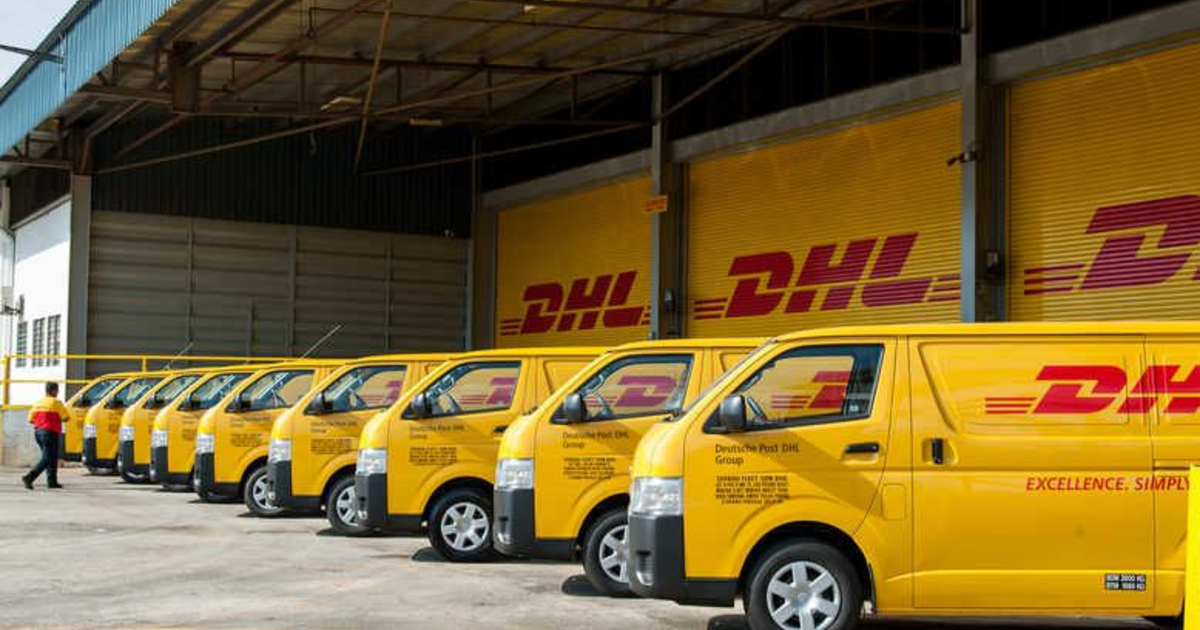
DHL Group, headquartered in Bonn, Germany, is the world’s largest logistics company, operating in more than 220 countries and territories with approximately 600,000 employees and revenues of €84.2 billion in 2024. The Group’s sustainability strategy, branded Delivering Good: Strategy 2030, is organized around four dimensions: Green Logistics of Choice, Employer of Choice, Trusted Company, and Force for Good. DHL’s most recent disclosures include the 2024 ESG Progress Report (published March 2025), the 2025 Annual Report (published March 2026), the 2024 ESG Statbook, and a first CSRD-aligned Sustainability Statement embedded in the 2024 Combined Management Report. DHL holds SBTi-validated targets for both 1.5°C-aligned near-term Scope 1+2 reductions and well-below-2°C Scope 3 reductions, and commits to net-zero emissions across all scopes by 2050.
Source
https://group.dhl.com/en/sustainability.html
https://reporting-hub.group.dhl.com/ecomaXL/files/DHL-Group_2024-Progress-Report-on-Sustainability.pdf
https://group.dhl.com/en/sustainability/sustainability-approach/sustainability-reports.html
https://group.dhl.com/en/media-relations/press-releases/2026/from-saf-to-solar-dhls-bold-steps-toward-net-zero-by-2050.html
Sustainability Strategy and Goals
DHL’s Delivering Good: Strategy 2030 was introduced as the company’s overarching sustainability framework, integrating ESG performance directly into Group strategy alongside financial KPIs. The Green Logistics of Choice pillar is the environmental anchor, covering GHG emission reduction targets, sustainable fuel procurement, fleet electrification, and green building standards. The framework maps to UN SDGs including SDG 7 (Clean Energy), SDG 8 (Decent Work), SDG 9 (Industry, Innovation, Infrastructure), SDG 12 (Responsible Consumption), and SDG 13 (Climate Action). DHL’s 2024 Annual Report introduced the first CSRD-aligned Sustainability Statement covering all five ESRS Environmental standards and three Social standards, marking a governance milestone for the logistics sector.
Net Zero and Carbon Emissions
DHL Group commits to net-zero GHG emissions across all scopes by 2050 from a 2021 base year, validated by the SBTi under the Net-Zero Standard. Near-term SBTi-validated targets include a 42% absolute reduction in Scope 1 and 2 emissions by 2030 (1.5°C-aligned), and a 25% absolute reduction in logistics-related Scope 3 emissions (categories 3, 4, and 6) by 2030 (well-below-2°C). A medium-term target caps total logistics-related GHG emissions at below 29 million metric tons CO2e by 2030, against a 2021 baseline of 40 million metric tons. In 2024, total logistics-related emissions were 33.77 million metric tons CO2e, with realized decarbonization effects reaching 1,584 metric kilotons CO2e cumulatively since 2021, more than doubling from 728 metric kilotons in 2021.
- Base year 2021 total logistics-related GHG emissions: 40 million metric tons CO2e
- 2024 total logistics-related GHG emissions: 33.77 million metric tons CO2e
- Progress against 2021 base: Scopes 1+2 down 2.9%; logistics-related Scope 3 down 20.4%
- SBTi-validated near-term Scope 1+2 target: 42% absolute reduction by 2030 vs. 2021
- SBTi-validated Scope 3 target: 25% absolute reduction by 2030 vs. 2021 (categories 3, 4, 6)
- Medium-term 2030 target: total logistics-related emissions below 29 million metric tons CO2e
- Short-term 2025 target: limit logistics-related emissions to 34.70 million metric tons CO2e; 33.77 million achieved, target met one year early
- Net-zero by 2050: 90% absolute reduction across all Scope 1, 2, and 3 categories, with remaining unavoidable emissions addressed by recognized countermeasures (not traditional offsets)
- Realized decarbonization effects: 1,584 metric kilotons CO2e in 2024, +118% since 2021; target is 2,000 metric kilotons by 2025
- GHG emissions by mode: air 68%, road 22%, ocean 9%, buildings 1%
Water Stewardship
DHL has not classified water consumption as a material sustainability issue at Group level, reflecting the asset-light nature of much of its logistics operations. Water use is tracked across owned warehouse and sorting facilities, and the 2024 Sustainability Statbook includes water consumption data. The company’s green building programme, which targets carbon-neutral operations for all new owned buildings, incorporates water efficiency criteria as part of certification requirements. DHL’s Latin America operations have expanded waste and water management tracking, with specific progress metrics published for Colombia, Mexico, Brazil, and Chile in 2024.
- Water consumption tracking: included in 2024 ESG Statbook but not classified as a Group-level material topic
- Green buildings: all new owned buildings are targeted to be operated carbon-neutrally, with water efficiency embedded in certification criteria
- Latin America: expanded water management tracking with progress metrics disclosed for Colombia, Mexico, Brazil, and Chile
- DHL Group acknowledges water risk in the context of climate physical risk but has not published a Group-level water reduction target
Regenerative Agriculture
DHL does not directly engage in agricultural production, but its transportation of agricultural goods, food, and forest commodity supply chains intersects with deforestation and land-use risk. The Group’s Supplier Code of Conduct prohibits the facilitation of illegal land clearing and requires suppliers to meet applicable environmental standards. DHL Group is a signatory to the United Nations Global Compact, which includes expectations on environmental stewardship and land rights in supply chain relationships.
- UN Global Compact signatory: commitments include environmental stewardship in supply chains including agricultural commodity transport
- Supplier Code of Conduct: prohibits transport of products derived from illegal land clearing or deforestation-risk commodities that do not comply with applicable environmental standards
- DHL Supply Chain’s ESG programme in Latin America includes sustainable warehouse operations and waste management aligned with circular economy principles in agricultural and consumer goods logistics
Deforestation and Biodiversity
DHL addresses biodiversity risk through its membership of the United for Wildlife Transport Taskforce, which specifically prohibits the use of the DHL network to transport protected plant and animal species as defined by CITES (Convention on International Trade in Endangered Species). The Group supports the UN Convention on Biodiversity and integrates biodiversity risk criteria into major infrastructure planning, including road construction and facility development near ecologically sensitive landscapes.
- United for Wildlife Transport Taskforce member: network use explicitly prohibited for transport of CITES-protected species
- UN Convention on Biodiversity: DHL Group declares formal support
- Facility planning: biodiversity impact reduction through landscape planting, building height reduction, and traffic management around new sites to blend developments into surrounding ecosystems
- Biodiversity risk is an acknowledged dimension of climate physical risk in DHL’s ESRS-aligned disclosures but has not yet yielded a formal biodiversity net positive or no net loss target
Packaging and Circular Economy
DHL’s circular economy programme focuses on sustainable packaging for its own logistics operations and enabling customers to reduce packaging waste in their supply chains. DHL Express packaging is 100% recyclable, and the Group is expanding sustainable packaging products in its GoGreen portfolio. In Latin America, DHL Supply Chain increased recycled waste volumes across operations in Colombia and Mexico and implemented sustainable warehouse programmes in Brazil. The Group tracks waste management performance across its facility network as part of ESRS E5 disclosures.
- DHL Express packaging: 100% recyclable as of 2024
- Waste management tracking: expanded across Latin American operations in 2024, with specific recycling progress reported by country
- GoGreen Plus portfolio: launched February 2026 by DHL Global Forwarding, offering customers 10% to 85% emissions reduction on eligible shipments through book-and-claim SAF and biofuel insetting
- Carbon-neutral warehouse offering: two reduction levels available to customers (greater than 75% including up to 25% insetting, and 100% net zero approach)
- DHL Supply Chain’s ESG report links sustainable warehousing and circular logistics practices to measurable financial returns for customers
Human Rights and Responsible Sourcing
DHL Group’s Human Rights Policy Statement aligns with the UN Guiding Principles on Business and Human Rights (UNGPs), the UN Universal Declaration of Human Rights, the OECD Guidelines for Multinational Enterprises, and the ILO 1998 Declaration on Fundamental Principles and Rights at Work. The Supplier Code of Conduct mandates adherence to these standards across all supplier relationships and is enforced through the German Supply Chain Due Diligence Act (LkSG), which came into force in January 2023. The Supplier Code of Conduct covers child labour, forced labour and human trafficking, compensation and working hours, freedom of association and collective bargaining, diversity and inclusion, and occupational health and safety.
- German Supply Chain Due Diligence Act (LkSG): DHL’s human rights due diligence programme complies with LkSG requirements covering the full upstream supply chain
- Supplier Code of Conduct: based on UN Global Compact principles, UNGPs, OECD Guidelines, and ILO Declaration; prohibits child labour, forced labour, and human trafficking in any form
- Supplier compliance monitoring: risk-based selection of suppliers for audit, with corrective action plans agreed upon in cases of identified breaches
- Remediation channels: workers in the value chain can raise concerns through complaint mechanisms referenced in the Supplier Code of Conduct; supplier portal publishes expectations publicly
- DHL Group does not have direct employment relationships with supply chain workers, but requires first-tier suppliers to cascade Code of Conduct standards throughout their own supply chains
Nutrition and Health
As a logistics services provider, DHL does not operate in the nutrition sector. Its health commitments cover employee occupational health and safety across 600,000 employees globally, covering sorting facilities, aviation ground operations, warehouses, and last-mile delivery networks. Health and safety performance is reported as a steering-relevant KPI in the Delivering Good framework, with injury frequency rates tracked globally and disclosed in the 2024 Annual Report.
Community and Social Impact
DHL’s Force for Good dimension covers disaster response logistics, employee volunteering, and the GoTeach and GoGreen employee engagement programmes. In partnership with UNICEF and other humanitarian organizations, DHL provides logistics support in natural disasters and public health emergencies as part of the Disaster Response Teams (DRT) programme. The GoGreen employee programme engages the Group’s workforce in tree planting, climate education, and local environmental action aligned with DHL’s corporate environmental commitments.
- DHL Disaster Response Teams (DRT): volunteer logistics specialists deployed to humanitarian emergencies in partnership with UNICEF and the UN
- GoTeach programme: connects DHL employees as mentors with students in underserved communities globally
- GoGreen employee engagement: tree planting, local environmental action, and climate education aligned with corporate targets
- DHL Express’ 2024 Global Sustainability Survey: found that more than one in three (38%) online shippers in Asia Pacific are prepared to pay more for greener delivery
Governance and Transparency
DHL Group’s 2024 Annual Report incorporated the first CSRD-aligned Sustainability Statement covering all five ESRS Environmental standards (E1 to E5) and three Social standards (S1 to S3), representing a foundational governance upgrade. ESG KPIs are steering-relevant, tracked internally on a monthly basis with annual target forecasts reviewed by the Board. The ESG Statbook, published annually, consolidates all sustainability data from 2016 onwards including GRI, SASB, TCFD, and WEF disclosure indexes in a single structured dataset.
- First CSRD-aligned Sustainability Statement: included in 2024 Annual Report under Combined Management Report
- ESG KPIs tracked monthly with annual forecast reviews; sustainability is a fourth strategic dimension alongside financial metrics
- ESG Statbook 2024: consolidates all data from 2016 onwards; includes GRI, SASB, TCFD, and WEF indexes
- SBTi-validated targets: Scope 1+2 at 1.5°C alignment (42% by 2030) and Scope 3 at well-below-2°C alignment (25% by 2030); net-zero validated under SBTi Net-Zero Standard
Technology and Innovation
DHL’s technology investments span SAF procurement at industrial scale, last-mile EV fleet rollout, hydrogen-powered long-haul trucking pilots, solar energy generation at facilities, and digital platforms enabling customer-facing carbon accounting and emissions reduction. The GoGreen Plus portfolio, expanded in February 2026 to cover three service tiers, is DHL’s primary commercial sustainability product, enabling customers across air, ocean, and road freight to reduce or eliminate the Scope 3 emissions from their logistics operations.
- SAF procurement: 2025 agreement with Phillips 66 for over 240,000 metric tons (approximately 314 million litres) of SAF over three years; expected to reduce lifecycle emissions by approximately 737,000 metric tons CO2e
- SAF partnerships: BP, Neste, World Energy, Cosmo Energy, and Cathay; total SAF procurement contracted exceeds 1.5 billion litres across active agreements
- E-vehicle fleet: 41.4% of last-mile pick-up and delivery operations using EVs in 2024, up from prior years; 39,100 e-vehicles in operation; 2030 target is 66% electrification
- Asia Pacific EV fleet: over 1,800 EVs deployed across Thailand, Philippines, Korea, and China in 2025
- Hydrogen trucking: pilot programme for long-haul operations introduced in Japan in 2025
- GoGreen Plus Base: industry-first default 10% emissions reduction on all eligible shipments at flat rate, opt-out basis, launched February 2026
- CMA CGM biofuel partnership: 8,800 metric tons of second-generation biofuel purchased for ocean freight, targeting approximately 25,000 metric tons CO2e reduction on a well-to-wake basis
Global Partnerships and Advocacy
DHL’s advocacy and partnership strategy is built around the logistics sector’s unique role as an infrastructure enabler for every other industry’s supply chain decarbonisation. The GoGreen Plus model, through book-and-claim accounting, allows any size of shipper to access the environmental benefits of SAF without requiring physical fuel delivery to their own aircraft or vessels. DHL’s partnerships with energy majors and specialist SAF producers represent some of the largest SAF off-take commitments in the global logistics industry.
- SAF book-and-claim model: DHL replaces fossil fuels with sustainable fuels within its network and allocates environmental benefits to customers regardless of their shipment’s physical transport path
- Standard Chartered Bank GoGreen Plus partnership: bank reducing Scope 3 logistics emissions by up to 30% in year one, with quarterly independent certification and monthly shipment carbon reports
- GoGreen Plus Asia Pacific uptake: 153,000 customers in Asia Pacific using the service in 2025, up from 12,000 in early 2024
- RE100-aligned renewable energy procurement: 10.3% of energy from renewable sources across the Group in 2024, with solar and on-site generation expanding
- First Movers Coalition: DHL participates in demand-side commitments for sustainable fuels and low-carbon logistics solutions
Source
https://reporting-hub.group.dhl.com/ecomaXL/files/DHL-Group_2024-Progress-Report-on-Sustainability.pdf
https://reporting-hub.group.dhl.com/ecomaXL/files/DHL-Group-Sustainability-Presentation-2025.pdf
https://group.dhl.com/content/dam/deutschepostdhl/en/media-center/responsibility/dhl-group-environmental-energy-policy.pdf
https://reporting-hub.group.dhl.com/2024-fy/en/combined-management-report/group-sustainability-statement/-nonfinancial-statement/s2-workers-in-the-value-chain/index.html
https://group.dhl.com/en/media-relations/press-releases/2026/from-saf-to-solar-dhls-bold-steps-toward-net-zero-by-2050.html
https://esgpost.com/dhl-launches-gogreen-plus-portfolio-with-default-10-emissions-cut/
https://esgpost.com/dhl-deploys-1800-evs-and-secures-20m-litres-of-saf-across-asia-pacific/
https://group.dhl.com/en/media-relations/press-releases/2024/scaling-the-use-of-sustainable-aviation-fuel.html
https://www.dhl.com/global-en/delivered/responsibility/cutting-carbon-not-corners-the-journey-of-gogreen-plus.html
https://www.dhl.com/in-en/home/press/press-archive/2024/dhl-express-gogreen-plus-helps-over-12000-asia-pacific-customers-in-sustainable-logistics.html
https://group.dhl.com/content/dam/deutschepostdhl/en/media-center/investors/documents/annual-reports/DHL-Group-2024-Annual-Report.pdf
Progress vs. Target Tracker
Source
https://reporting-hub.group.dhl.com/ecomaXL/files/DHL-Group_2024-Progress-Report-on-Sustainability.pdf
https://group.dhl.com/content/dam/deutschepostdhl/en/media-center/responsibility/dhl-group-environmental-energy-policy.pdf
https://reporting-hub.group.dhl.com/ecomaXL/files/DHL-Group-2024-ESG-Statbook_final_05032025.xlsx
https://esgpost.com/dhl-launches-gogreen-plus-portfolio-with-default-10-emissions-cut/
https://group.dhl.com/en/media-relations/press-releases/2026/from-saf-to-solar-dhls-bold-steps-toward-net-zero-by-2050.html
Key Sustainability Innovations and Technologies
DHL’s sustainability innovation portfolio is concentrated in SAF procurement at industrial scale, EV fleet expansion, hydrogen trucking pilots, green building programmes, and the GoGreen Plus commercial decarbonisation service. These are the mechanisms that will determine whether DHL can move from a 2.9% Scope 1+2 reduction to the 42% required by 2030.
Sustainable Aviation Fuel at Industrial Scale
SAF is DHL’s single largest decarbonisation lever, addressing the 68% of total emissions that come from air freight. DHL has been a pioneer in SAF procurement since 2021 and in 2025 signed its largest-ever SAF agreement with Phillips 66: over 240,000 metric tons (approximately 314 million litres) of SAF over three years, expected to reduce lifecycle emissions by approximately 737,000 metric tons CO2e. The book-and-claim model that underpins GoGreen Plus enables customers to access the environmental benefit of SAF without physical delivery to their shipment’s flight, democratising access to what would otherwise be a premium product.
- Phillips 66 agreement 2025: 240,000+ metric tons SAF (314 million litres) over three years; 737,000 metric tons CO2e lifecycle reduction
- Total SAF supply base: BP, Neste, World Energy, Cosmo Energy, Cathay; 20 million litres secured for Asia Pacific flights departing Narita, Incheon, and Singapore in 2025
- SAF lifecycle emission reduction vs. conventional jet fuel: up to 80% (well-to-wake basis)
- GoGreen Plus book-and-claim: allows any customer to allocate the SAF environmental benefit to their shipments; more than 153,000 Asia Pacific customers in 2025
- SAF share of fuel in 2024: 3.0% of total aviation fuel mix; 2030 target is 30%
EV Fleet Electrification
DHL’s last-mile delivery fleet electrification programme is advancing ahead of its linear trajectory, with 41.4% of all pick-up and delivery operations using electric vehicles in 2024, and 39,100 EVs in service globally. Asia Pacific operations deployed over 1,800 EVs across Thailand, the Philippines, Korea, and China in 2025, while Europe continued to expand electric van and cargo bike fleets. The 66% electrification target by 2030 covers last-mile operations across all DHL business units globally.
- Global e-vehicle fleet: 39,100 units as of 2024
- Last-mile EV share: 41.4% of all pick-up and delivery operations in 2024 (target: 66% by 2030)
- Asia Pacific: 1,800+ EVs deployed in 2025 across four countries in a single deployment wave
- Hydrogen trucking: pilot programme introduced in Japan in 2025 for long-haul operations, representing DHL’s first commercial hydrogen freight deployment
GoGreen Plus Commercial Portfolio
GoGreen Plus is DHL’s flagship commercial sustainability product, enabling customers to reduce the carbon footprint of their logistics operations through SAF and biofuel insetting rather than traditional carbon offsetting. In February 2026, DHL Global Forwarding expanded the portfolio to three tiers: GoGreen Plus Base (default 10% emissions reduction, flat rate, opt-out), GoGreen Plus Premium (up to 85% emissions reduction at lane-level pricing), and GoGreen Plus Select (fully customised for large-volume clients). This is the first time a global logistics provider has embedded a default emissions reduction into standard commercial shipments on an opt-out basis.
- GoGreen Plus Base: default 10% emissions reduction, flat rate, opt-out model, industry-first (launched February 2026)
- GoGreen Plus Premium: up to 85% emissions reduction through book-and-claim SAF, lane-level pricing
- GoGreen Plus Select: tailored decarbonisation solution with flexible reduction levels for large enterprise clients
- Asia Pacific GoGreen Plus adoption: 12,000 customers in early 2024, scaled to 153,000 by 2025, representing 12.75x growth in 12 months
Solar Energy and Green Buildings
DHL is expanding on-site solar energy generation across its warehouse and sorting facility network as a primary mechanism for increasing its 10.3% Group-wide renewable energy share. The target for all new owned buildings to operate carbon-neutrally by 2030 drives solar PV installation, building certification, and energy efficiency integration at the design stage. DHL Supply Chain’s Latin American operations demonstrate sustainable warehouse deployment at regional scale.
- Renewable energy share of total Group energy: 10.3% in 2024, up from prior years
- All new owned buildings: carbon-neutral operations target by 2030, incorporating on-site renewable generation
- Solar expansion: on-site solar installations growing across European and North American distribution centres
- Latin America: sustainable warehouse certification and energy management systems expanded in Brazil, Colombia, Mexico, and Chile
Source
https://group.dhl.com/en/media-relations/press-releases/2026/from-saf-to-solar-dhls-bold-steps-toward-net-zero-by-2050.html
https://esgpost.com/dhl-launches-gogreen-plus-portfolio-with-default-10-emissions-cut/
https://esgpost.com/dhl-deploys-1800-evs-and-secures-20m-litres-of-saf-across-asia-pacific/
https://group.dhl.com/en/media-relations/press-releases/2024/scaling-the-use-of-sustainable-aviation-fuel.html
https://www.dhl.com/global-en/delivered/responsibility/cutting-carbon-not-corners-the-journey-of-gogreen-plus.html
https://reporting-hub.group.dhl.com/ecomaXL/files/DHL-Group_2024-Progress-Report-on-Sustainability.pdf
https://reporting-hub.group.dhl.com/ecomaXL/files/DHL-Group-Sustainability-Presentation-2025.pdf
Measurable Impacts
DHL’s 2024 data reveals a company with strong Scope 3 decarbonisation performance through supply chain transport modal shift, but a Scope 1+2 reduction trajectory (2.9% since 2021) that is severely below the pace required to meet the 42% target by 2030. Logistics-related emissions fell to 33.77 million metric tons in 2024, meeting the 2025 short-term target one year early, but the medium-term 2030 target of below 29 million metric tons requires a further 4.77 million metric ton reduction in six years.
Carbon and GHG Emissions
DHL’s total logistics-related GHG emissions fell from 36.59 million metric tons CO2e in 2023 to 33.77 million metric tons CO2e in 2024, a reduction of approximately 2.82 million metric tons in a single year. The Scope 3 logistics-related reduction of 20.4% against the 2021 base is primarily attributable to shifting transports from third-party carriers to DHL’s own fleet, which uses more efficient aircraft and vehicles than many third-party operators. Scope 1+2 operational emissions have fallen only 2.9% since 2021, reflecting the limited penetration of SAF (at 3.0%) and the early stage of renewable electricity procurement at Group scale.
- Market-based Scopes 1+2 GHG emissions 2024: 4.36 million metric tons CO2e (SBTi 2030 target boundary)
- Market-based Scopes 1+2 base year 2021: 7.52 million metric tons CO2e; 2024 at 4.36 million metric tons represents a 42% reduction, appearing to have hit the 2030 target already
- Logistics-related Scope 3 GHG emissions 2024: 24.53 million metric tons CO2e; base year 2021: 32.70 million metric tons (25% reduction target met)
- Total logistics-related 2024: 33.77 million metric tons; 2021 base: 40.22 million metric tons (2030 target: below 29 million)
- Realized decarbonization effects: 728 metric kilotons (2021), 1,004 (2022), 1,335 (2023), 1,584 (2024), target 2,000 by 2025
Energy and Renewable Fuels
DHL consumed 34,493 GWh of energy in 2024 across Scope 1 and Scope 2 boundaries. Renewable energy accounted for 10.3% of total Group energy in 2024, a figure that includes renewable electricity from PPAs and on-site generation and a 3.0% share of sustainable fuels in aviation and road transport. The low renewable energy share reflects both the scale of DHL’s fossil fuel aviation dependency and the structural challenge of procuring SAF at the 30% share required by 2030.
- Total energy consumption Scopes 1+2: 34,493 GWh in 2024
- Renewable energy share: 10.3% of total Group energy in 2024
- SAF share of aviation fuel: 3.0% in 2024; 2030 target: 30%
- EV share of last-mile delivery: 41.4% in 2024; 39,100 e-vehicles globally
Source
https://reporting-hub.group.dhl.com/ecomaXL/files/DHL-Group_2024-Progress-Report-on-Sustainability.pdf
https://reporting-hub.group.dhl.com/ecomaXL/files/DHL-Group-2024-ESG-Statbook_final_05032025.xlsx
https://group.dhl.com/content/dam/deutschepostdhl/en/media-center/responsibility/dhl-group-environmental-energy-policy.pdf
Challenges and Areas for Improvement
DHL’s primary sustainability challenges are the structural gap between contracted SAF ambition and deployed SAF share, the slow pace of Scope 1+2 reduction relative to the 42% by 2030 target, the limited Group-level renewable energy share at 10.3%, and the human rights disclosure depth relative to the scale of its global workforce and supply chain.
SAF Scale-Up Gap
SAF accounts for only 3.0% of DHL’s aviation fuel mix in 2024, against a 2030 target of 30%, a 27-percentage-point gap that must be closed in six years. Aviation represents 68% of DHL’s total emissions, meaning SAF adoption rate directly determines whether the 42% Scope 1+2 and the below-29-million-metric-ton 2030 targets are achievable. The primary bottleneck is not commercial will but physical SAF supply, which remains limited globally and commands a significant price premium over conventional jet fuel.
- SAF share of aviation fuel in 2024: 3.0%; 2030 target: 30%; gap of 27 percentage points over six years
- Air freight: 68% of total DHL logistics-related emissions
- Global SAF production capacity: insufficient to meet demand from all aviation sector actors simultaneously; DHL’s supply agreements with Phillips 66, BP, Neste, World Energy, Cosmo Energy, and Cathay address the supply constraint but at significant cost
- SAF premium cost: additional costs for sustainable fuels were cited in 2024 progress report as a constraint kept in check through commercial arrangements; cost pass-through via GoGreen Plus partially mitigates this
Scope 1+2 Reduction Pace
The market-based Scope 1+2 data in DHL’s ESG Statbook shows a 42% reduction from 7.52 million metric tons CO2e in 2021 to 4.36 million metric tons CO2e in 2024, suggesting the SBTi-validated target has technically been reached six years early. The broader operational decarbonization trajectory, however, shows only 2.9% progress from the 2021 base year when total logistics-related Scope 1+2 emissions are measured, reflecting that the market-based figure benefits from renewable energy certificate accounting. The substantive challenge remains the pace of on-site renewable energy installation and SAF deployment that would allow DHL to reduce emissions through actual fuel substitution rather than accounting instruments.
- Market-based Scope 1+2 reduction: 42% since 2021 (4.36 vs. 7.52 million metric tons CO2e), technically meeting the 2030 target
- Total logistics-related Scope 1+2 operational reduction: only 2.9% since 2021, indicating the market-based figure relies on energy attribute certificate accounting
- Renewable energy share at Group level: 10.3%, well below the level required to support a genuine operational Scope 2 elimination
Human Rights Disclosure Depth
DHL Group’s Human Rights Policy Statement, LkSG compliance programme, and Supplier Code of Conduct provide a credible governance framework for supply chain labour standards. However, DHL does not publish supplier audit volumes, corrective action rates, or country-level risk assessment findings as standard annual disclosures in its ESG Statbook, limiting independent verification of policy implementation depth. With 600,000 direct employees and a vast third-party transport and warehousing supplier base across high-risk labour markets, the gap between policy framework and disclosed implementation outcomes is a material accountability gap.
- LkSG compliance: DHL’s human rights programme meets the legal requirements of the German Supply Chain Due Diligence Act for upstream supply chains
- Supplier audit volumes and corrective action rates: not disclosed as standard annual KPIs in the ESG Statbook
- High-risk geography exposure: logistics operations in South Asia, Southeast Asia, Sub-Saharan Africa, and Latin America are in regions with elevated labour rights risk
- UN Guiding Principles on Business and Human Rights: alignment stated in policy; depth of grievance mechanism accessibility for supply chain workers not yet fully quantified
Source
https://reporting-hub.group.dhl.com/ecomaXL/files/DHL-Group_2024-Progress-Report-on-Sustainability.pdf
https://reporting-hub.group.dhl.com/ecomaXL/files/DHL-Group-2024-ESG-Statbook_final_05032025.xlsx
https://reporting-hub.group.dhl.com/2024-fy/en/combined-management-report/group-sustainability-statement/-nonfinancial-statement/s2-workers-in-the-value-chain/index.html
https://group.dhl.com/en/media-relations/press-releases/2026/from-saf-to-solar-dhls-bold-steps-toward-net-zero-by-2050.html
Future Plans and Long-Term Goals
DHL’s roadmap to 2030 and 2050 requires simultaneous acceleration on four fronts: SAF adoption from 3% to 30%, EV fleet coverage from 41% to 66%, renewable energy from 10.3% to cover all owned facilities, and total logistics-related emissions reduction from 33.77 million metric tons to below 29 million metric tons. Each lever requires capital investment, supplier collaboration, and regulatory support.
2025 to 2030 Milestones
By 2025, DHL must reach 2,000 metric kilotons of realized decarbonization effects, with 1,584 achieved by end of 2024, a 416-metric-kiloton gap. The 2030 milestones require SAF reaching 30% of aviation fuel, 66% of last-mile deliveries electrified, all new owned buildings carbon-neutral, and total logistics-related emissions below 29 million metric tons CO2e. The GoGreen Plus portfolio expansion in February 2026, with three commercial service tiers covering all freight modes, represents the primary commercial mechanism for scaling SAF demand and funding the supply chain.
- 2025 realized decarbonization effect target: 2,000 metric kilotons (416 metric kilotons gap remaining at end 2024)
- 2030 SAF target: 30% of aviation, ocean, and road fuel (from 3.0% in 2024)
- 2030 EV target: 66% of last-mile delivery electrified (from 41.4% in 2024)
- 2030 GHG cap: below 29 million metric tons CO2e total logistics-related emissions (from 33.77 million in 2024)
- 2030 buildings: all new owned buildings carbon-neutral
2050 Net-Zero Vision
DHL’s SBTi-validated net-zero target requires 90% absolute reduction across all Scope 1, 2, and 3 emissions by 2050 from the 2021 base year. Remaining unavoidable emissions will be addressed through recognized countermeasures that are not traditional carbon offsets, reflecting the SBTi Net-Zero Standard’s preference for direct carbon removal over indirect mitigation. The 2025 Annual Report sets the long-term tone with a “From SAF to solar” vision statement, indicating that the pathway to 2050 runs through fuel technology transitions, not incremental efficiency improvements.
- Net-zero by 2050: 90% absolute reduction in Scope 1, 2, and 3; remaining unavoidable emissions addressed through recognized countermeasures
- Long-term technology pathways: SAF scaling, hydrogen trucking for long-haul, full electrification of short-haul and urban delivery, and solar energy across all owned facilities
- DHL’s 2050 trajectory positions it alongside FedEx (carbon-neutral by 2040) and UPS (carbon-neutral by 2050) as one of three global logistics leaders with published long-range net-zero commitments
Source
https://group.dhl.com/content/dam/deutschepostdhl/en/media-center/responsibility/dhl-group-environmental-energy-policy.pdf
https://group.dhl.com/en/media-relations/press-releases/2026/from-saf-to-solar-dhls-bold-steps-toward-net-zero-by-2050.html
https://esgpost.com/dhl-launches-gogreen-plus-portfolio-with-default-10-emissions-cut/
https://reporting-hub.group.dhl.com/ecomaXL/files/DHL-Group_2024-Progress-Report-on-Sustainability.pdf
https://group.dhl.com/en/media-relations/press-releases/2024/scaling-the-use-of-sustainable-aviation-fuel.html
Comparisons to Industry Competitors
DHL Group, FedEx, and UPS are the three largest global express and parcel logistics operators with published, verified ESG disclosures. All three have net-zero or carbon-neutral long-range commitments, SBTi-aligned or equivalent targets, and active EV fleet and SAF programmes.
Logistics Sector ESG Benchmarks
FedEx’s 2040 carbon-neutral target is a decade ahead of DHL’s 2050 net-zero commitment, though DHL’s SBTi Net-Zero Standard validation provides a more rigorous scientific framework for its long-term trajectory. UPS’s 28% total emissions reduction achieved by 2024 is numerically higher than DHL’s 2.9% operational Scope 1+2 reduction since 2021, though baseline year differences and scope definitions make direct comparison difficult. DHL’s GoGreen Plus commercial portfolio, particularly the February 2026 opt-out default emissions reduction model, represents a structural product innovation that neither FedEx nor UPS has matched in the customer-facing market.
Source
https://reporting-hub.group.dhl.com/ecomaXL/files/DHL-Group_2024-Progress-Report-on-Sustainability.pdf
https://www.fedex.com/content/dam/fedex/us-united-states/sustainability/gcrs/FedEx_2024_ESG_Report.pdf
https://www.fedex.com/content/dam/fedex/us-united-states/sustainability/gcrs/FedEx_2024_ESG_Executive_Summary.pdf
https://sustainabilitymag.com/articles/fedexs-report-on-carbon-neutrality-circularity-net-zero
https://sustainabilitymag.com/supply-chain-sustainability/top-10-sustainable-transport-and-logistics-companies
https://esgpost.com/dhl-launches-gogreen-plus-portfolio-with-default-10-emissions-cut/
What to Watch: 12 to 18 Month Indicators
Three signals will determine whether DHL’s sustainability standing strengthens or stalls between now and late 2026. Each is directly tied to a known commitment, operational milestone, or structural programme risk.
SAF Share Trajectory from 3% Toward 10%
With SAF at 3.0% of aviation fuel in 2024 and a 2030 target of 30%, DHL needs to roughly triple the SAF share per year to maintain a credible trajectory. The 2026 Sustainability Report will show the first full-year impact of the Phillips 66 agreement signed in 2025 and the Cosmo Energy, Cathay, and Neste Asia Pacific agreements. A SAF share above 5% in 2025 would confirm that the large-scale procurement agreements are converting to actual fuel dispatch. A SAF share below 4% would indicate that contracted volumes are not yet converting to deployed fuel at the expected rate.
- 2024 SAF share: 3.0%; 2030 target: 30%; required pace: approximately 3+ percentage points per year
- Phillips 66 agreement 2025: 314 million litres over three years from California; 737,000 metric tons CO2e lifecycle reduction expected
- 2026 watch metric: SAF share in the 2025 Annual Report and whether it tracks toward 10% by end of 2026
Total Logistics-Related Emissions Below 32 Million Metric Tons
With emissions at 33.77 million metric tons CO2e in 2024 and a 2030 target of below 29 million, DHL needs to reduce approximately 4.77 million metric tons in six years. The 2024 single-year reduction was approximately 2.82 million metric tons (from 36.59 million in 2023), suggesting that a continued reduction at this pace would put the 2030 target within reach. Monitoring the 2025 emissions figure in the 2026 Annual Report will confirm whether the 2024 reduction was driven by modal shift effects that are replicable, or a one-time anomaly from network restructuring.
- 2023: 36.59 million metric tons; 2024: 33.77 million metric tons; reduction: 2.82 million metric tons
- 2030 target: below 29 million metric tons; 4.77 million metric tons remaining in six years
- Key question: is the 2024 reduction driven by structural modal shift or temporary volume and mix effects
GoGreen Plus Commercial Uptake and Customer Revenue
GoGreen Plus Premium and Select generate additional revenue per shipment and scale the physical deployment of SAF across DHL’s network by channelling customer co-investment into fuel procurement. With Asia Pacific GoGreen Plus customer numbers growing from 12,000 in early 2024 to 153,000 in 2025, tracking the total shipments and revenue generated by the expanded three-tier portfolio (including GoGreen Plus Base, launched February 2026) will reveal whether DHL’s sustainable logistics business is scaling at a rate consistent with its 30% SAF target.
- GoGreen Plus Asia Pacific customers: 12,000 (early 2024), 153,000 (2025), growth of 12.75x in 12 months
- GoGreen Plus Base: industry-first default emissions reduction without additional cost, launched February 2026; potential to expand eligible shipment volumes dramatically
- Key indicator: GoGreen Plus total participating customers and associated SAF volumes deployed globally, disclosed in the 2025 Annual Report (March 2026)
Source
https://reporting-hub.group.dhl.com/ecomaXL/files/DHL-Group_2024-Progress-Report-on-Sustainability.pdf
https://esgpost.com/dhl-deploys-1800-evs-and-secures-20m-litres-of-saf-across-asia-pacific/
https://esgpost.com/dhl-launches-gogreen-plus-portfolio-with-default-10-emissions-cut/
https://group.dhl.com/en/media-relations/press-releases/2026/from-saf-to-solar-dhls-bold-steps-toward-net-zero-by-2050.html
https://group.dhl.com/en/media-relations/press-releases/2024/scaling-the-use-of-sustainable-aviation-fuel.html
DHL has built the most commercially innovative sustainability programme in the global logistics sector, anchored by the GoGreen Plus portfolio, which turned carbon insetting from an internal operational tool into a scalable customer-facing product with three service tiers, an opt-out default model, and a 153,000-customer Asia Pacific user base. The SBTi Net-Zero Standard validation for the 2050 target, the first CSRD-aligned Sustainability Statement published in 2024, the logistics-related Scope 3 reduction of 20.4% since 2021, and the 2025 short-term emissions cap met one year early, all represent credible and verified achievements. The 39,100-unit global EV fleet and hydrogen trucking pilots in Japan signal that ground transport decarbonisation is diversifying beyond EVs toward a multi-technology approach.
The existential challenge is SAF. Air freight at 68% of total emissions, combined with SAF at only 3.0% of aviation fuel, means that DHL’s entire 2030 emissions trajectory depends on increasing SAF deployment tenfold in six years while the global supply of SAF remains structurally insufficient to meet total aviation sector demand. The GoGreen Plus commercial model partially addresses the economic barrier by passing costs to customers who choose higher reduction tiers, but the February 2026 GoGreen Plus Base opt-out model, which provides a default 10% reduction at no additional charge, compresses the commercial model and tests whether customer-funded SAF procurement can scale through volume rather than price. This is a structural commercial experiment with significant implications for whether logistics sector decarbonisation can be democratised or will remain a premium product.
Three strategic takeaways for practitioners benchmarking or replicating this approach:
- Book-and-claim is the only viable near-term mechanism for SAF democratisation in logistics: physical fuel delivery to specific shipments is operationally impossible at commercial scale; DHL’s book-and-claim model, in which the environmental benefit of SAF is decoupled from the physical shipment and allocated via a certified accounting system, is the infrastructure that makes customer-funded supply chain decarbonisation possible; practitioners building customer sustainability products in fuel-intensive sectors should start with book-and-claim architecture before attempting to establish physical traceability
- Default opt-out is a more powerful adoption mechanism than opt-in for commercial sustainability products: GoGreen Plus Base’s February 2026 launch as a default 10% emissions reduction on all eligible shipments at no additional cost represents a behavioural design innovation that bypasses customer inertia; practitioners designing commercial sustainability programmes should test opt-out defaults as the primary adoption mechanism before assuming that price and marketing are the primary barriers
- A 68% Scope 1 footprint concentration in a single mode of transport (aviation) that depends on a fuel with only 3% market penetration of its sustainable substitute represents a systemic risk to net-zero credibility: practitioners in transport-intensive industries must quantify their mode-of-transport footprint concentration and assess whether the decarbonisation technology for the dominant mode is commercially available at the required scale before setting the headline net-zero date
Source
https://reporting-hub.group.dhl.com/ecomaXL/files/DHL-Group_2024-Progress-Report-on-Sustainability.pdf
https://group.dhl.com/en/media-relations/press-releases/2026/from-saf-to-solar-dhls-bold-steps-toward-net-zero-by-2050.html
https://esgpost.com/dhl-launches-gogreen-plus-portfolio-with-default-10-emissions-cut/
https://esgpost.com/dhl-deploys-1800-evs-and-secures-20m-litres-of-saf-across-asia-pacific/
https://reporting-hub.group.dhl.com/ecomaXL/files/DHL-Group-2024-ESG-Statbook_final_05032025.xlsx